
Summary
Plan the bathroom in this order: decide what must improve, measure the room, agree the layout, select products, confirm the full written scope, check availability and prepare the home. Before handover, test every fitting and ask how the surfaces and equipment should be cared for.
Before the home design visit
List what frustrates you about the current room and what must remain. Note who uses it, whether there is another bathroom and which items need to be stored.
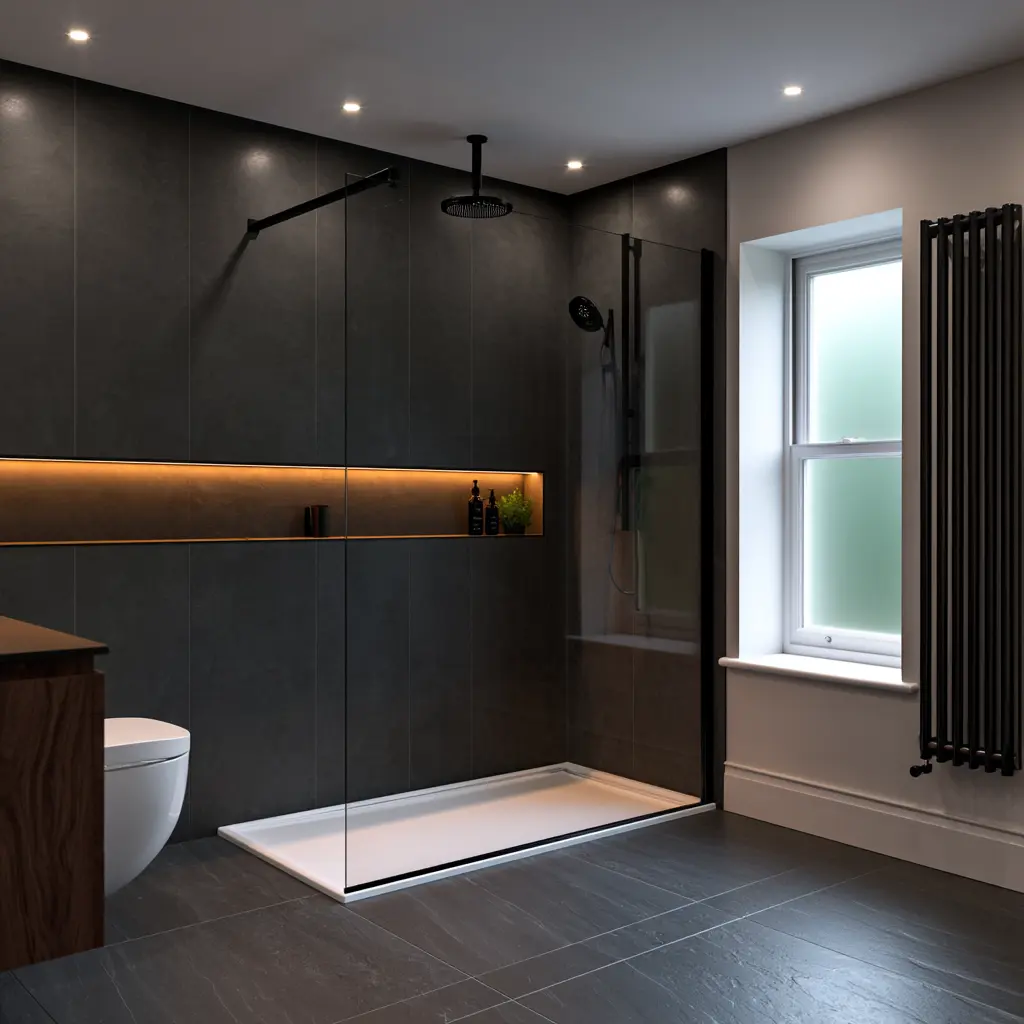
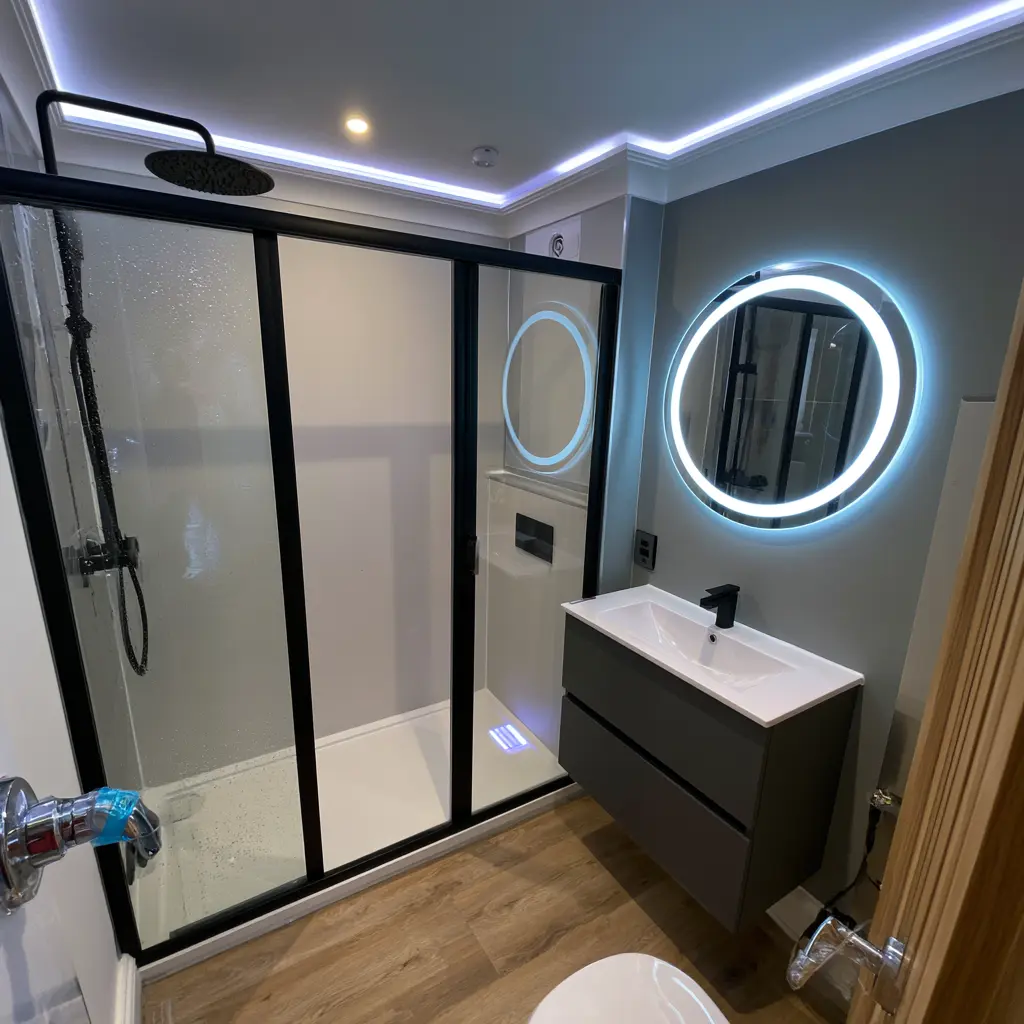
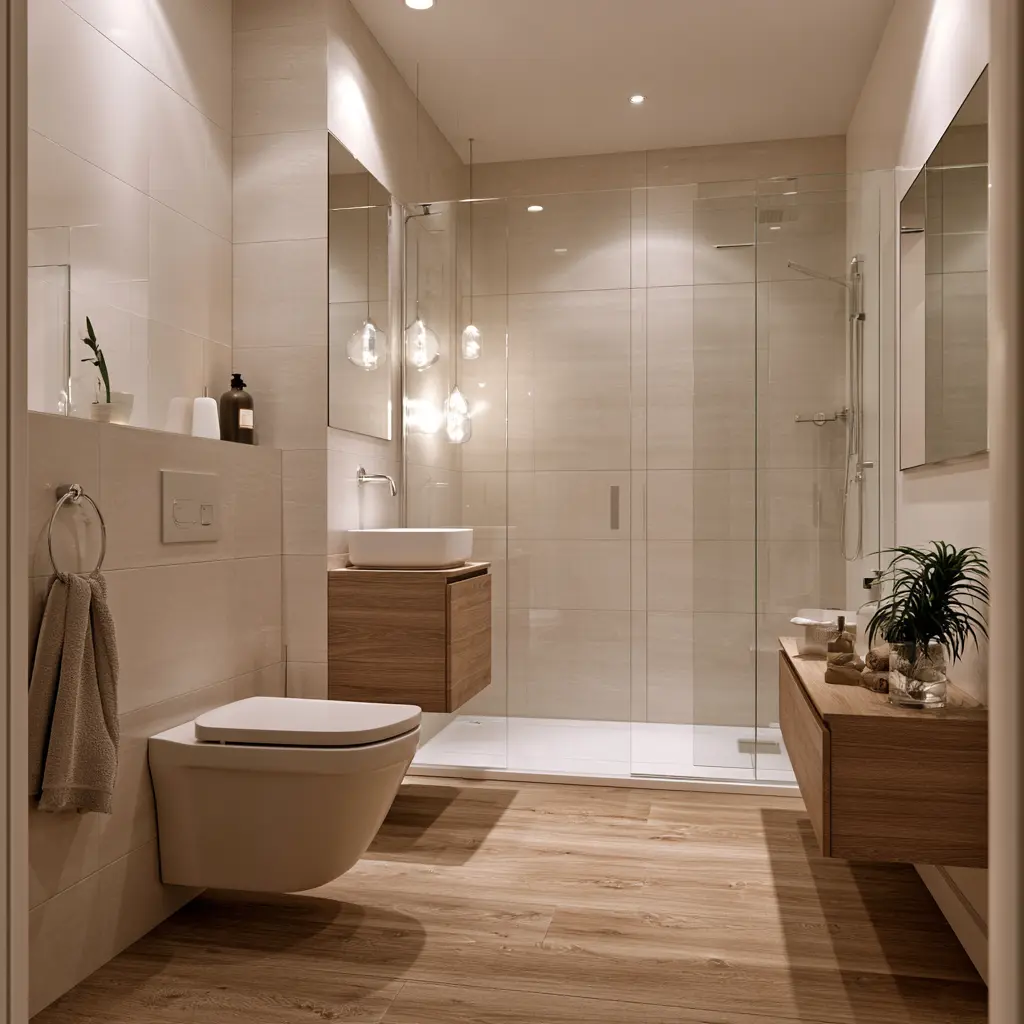
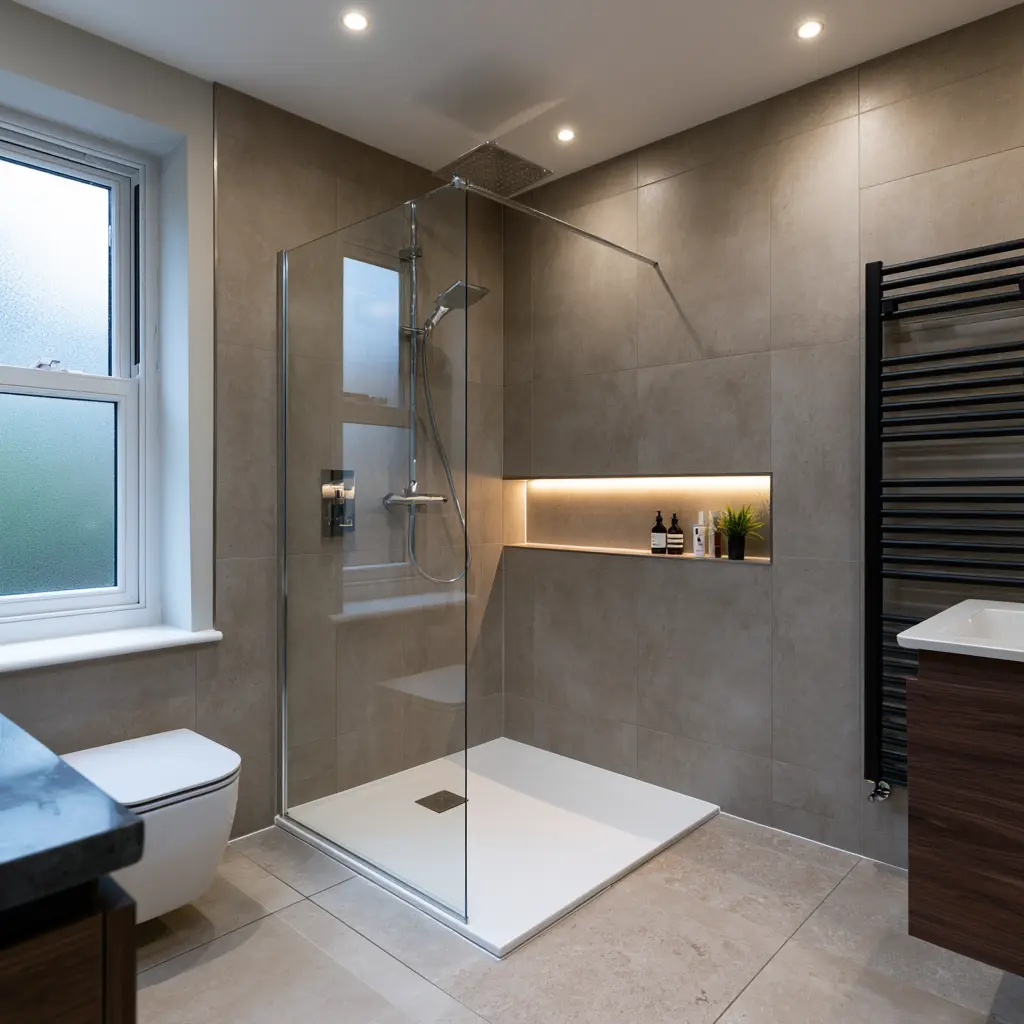
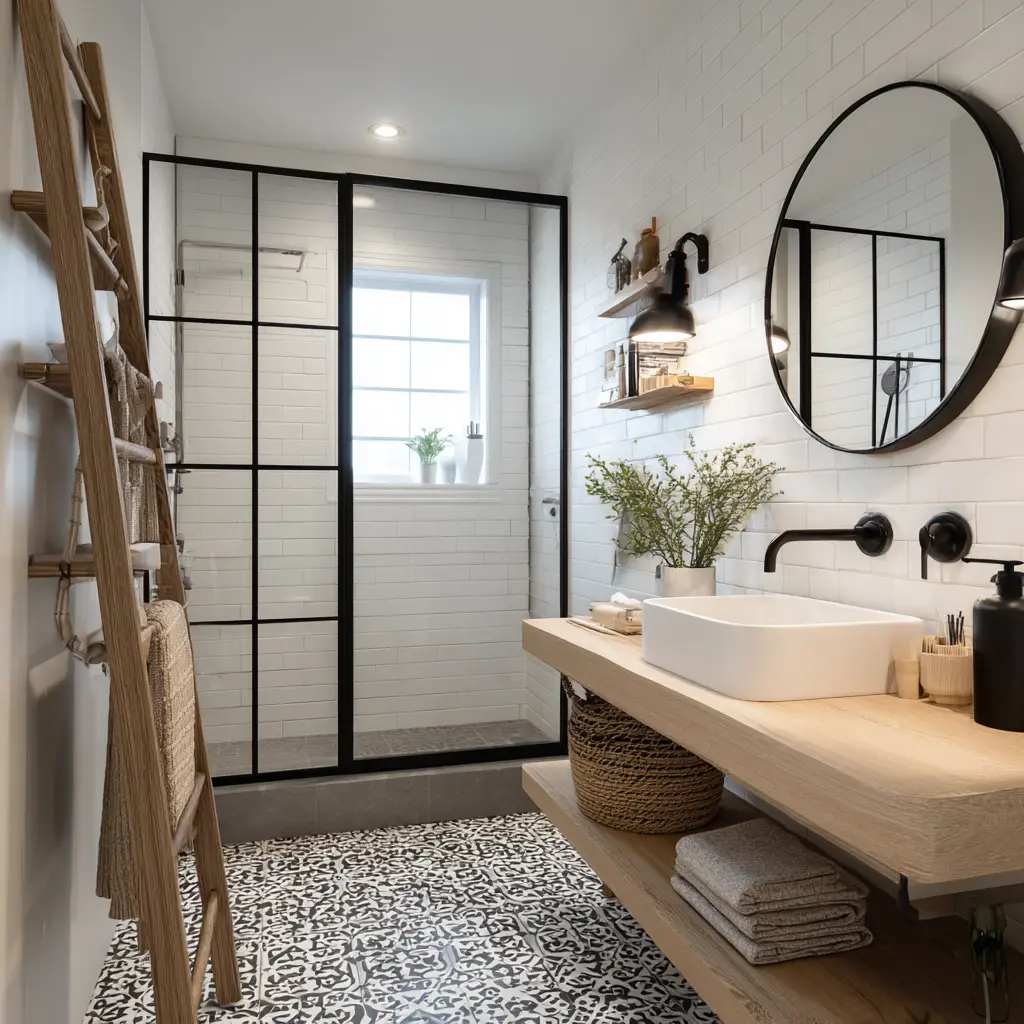
Save a small number of inspiration images, but focus on the features you like rather than trying to copy a different room exactly.
- Set a realistic budget range
- Choose must-haves and nice-to-haves
- Measure roughly for initial discussion
- Note known leaks or electrical issues
- Think about bath, shower and access priorities
During design and quotation
Ask to see a measured layout and confirm product sizes. Check what the quote includes for removal, preparation, waterproofing, electrical work, flooring, decoration and disposal.
Agree how product substitutions, hidden defects and requested changes will be handled before work starts.
Before installation begins
Confirm that products are available, the start date is agreed and access arrangements are clear. Remove toiletries, towels and freestanding storage from the room.
Discuss the route through the house, parking, working hours, water shut-offs and where materials or waste can be kept.
At handover
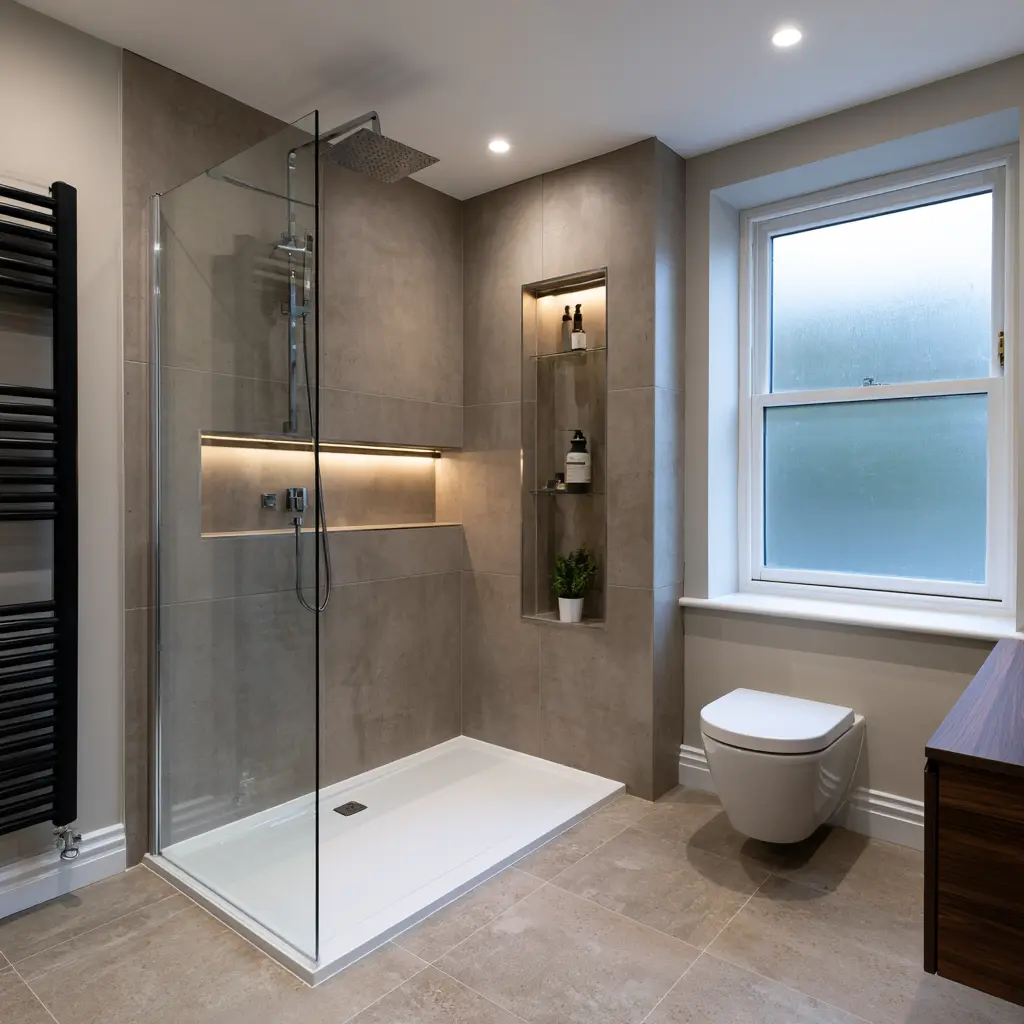
Check the shower, taps, toilet, extraction, lighting, heating and seals. Ask how each surface should be cleaned and keep product or installation information together.
A calm final review is the right time to raise snags and make sure you understand any care instructions.
Products and paperwork to confirm
Keep the measured layout, product list and final quotation together. Confirm model names, sizes, colours and finishes for the suite, furniture, taps, shower, screen, heating and lighting. Check whether delivery dates are firm and whether substitutes require your approval. This prevents a small ordering assumption from changing the finished design.
The quotation should explain payment stages, access, waste, protection, hidden repairs and requested variations. Ask who your main contact is and how progress questions will be handled. You do not need complicated paperwork, but you do need one agreed version of the job that everybody can follow.
- Final measured layout
- Named product schedule
- Written work scope
- Start date and payment stages
A practical final inspection
Use every control rather than only looking at the room. Run the hot and cold taps, shower and toilet. Check drainage, cabinet doors, drawers, lights, fan, heating and seals. Look at the room in normal daylight and with the lights on. Small snags are easier to record clearly during one organised review.
Ask for cleaning guidance because strong chemicals can damage brassware, panels, grout or sealants. Keep warranties and product information in one place. If something later needs attention, a clear record of the product and installation makes the conversation much easier.
Keep one final project file
Store the agreed quotation, layout, product list, payment record, variations, care guidance and warranties together. A digital folder is fine. Give files clear names and keep the final approved version rather than several almost-identical drafts. This takes minutes and prevents uncertainty if you later need a product code or aftercare visit.
Add photographs taken before work, during any hidden repair and after completion. They create a useful record of pipe routes, waterproofing and finished details. Do not use photographs as a substitute for a proper written scope, but keep both. Good records support clear communication and make future maintenance or minor changes far easier.
- Approved layout
- Final work scope
- Product and warranty details
- Before, progress and completion photographs
A useful check after the first few weeks
Once the bathroom has settled into normal use, inspect the seals, extraction, drainage, doors and drawers again. Make sure everybody understands how long to run the fan and which cleaning products to avoid. If a small snag appears, report it clearly with a photograph and the product or area involved. Early attention is easier than waiting for a minor issue to cause damage.